Rodents Traveling Along Walls, Roofs, and Vegetation
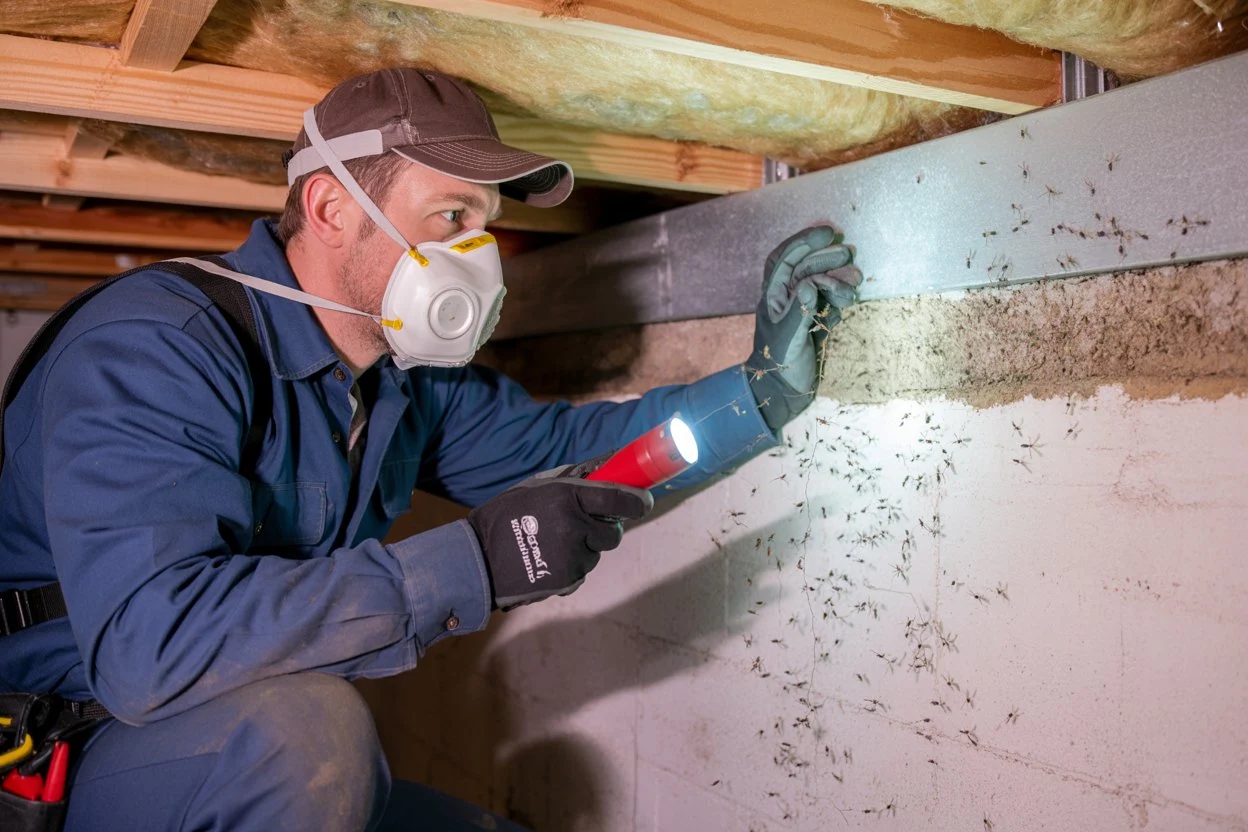
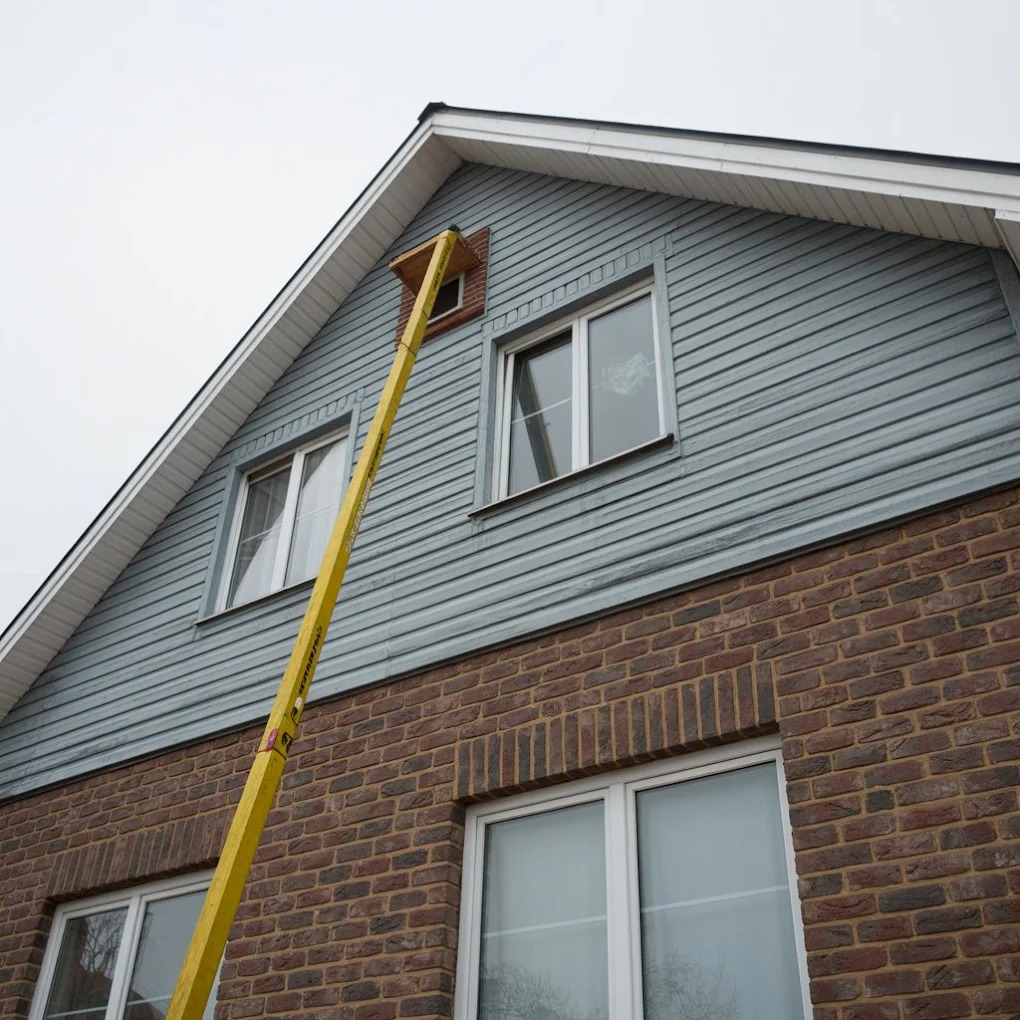
Rodent travel along walls, roofs, and vegetation. Note how long the travel has continued and whether it lines up with recent irrigation, trimming, or fence work nearby.
Mission Viejo service area
Canyon Crest properties often pair detached homes with maintained streetscapes, backyard landscaping, patios, and foothill-facing conditions. Pest pressure can shift between exterior open-space edges and protected structural areas as seasons and irrigation patterns change.
Pest activity
Canyon Crest's foothill setting makes these useful starting points, not assumptions — the evidence at your specific property should guide the service requested.
Rodent travel along walls, roofs, and vegetation. Note how long the travel has continued and whether it lines up with recent irrigation, trimming, or fence work nearby.
Ant colonies near irrigated planting beds. Follow the colony's trail to the specific garage, fence, or roofline it eventually reaches rather than the whole planting bed.
Spider activity around patios and garages. Photograph webbing or egg sacs before removing them so the inspection can assess how active the area has been.
Ticks or other outdoor pests near wildlife routes. Compare the wildlife route with fence lines, vegetation density, and how close it runs to the home's open-space edge.
Property inspection
Canyon Crest's foothill-facing lots mix open-space edges with structural cover, so pest evidence often turns up in different places from one property to the next and inspection follows what's actually found rather than a fixed checklist.
Rodent travel along walls, rooflines, and vegetation is easiest to trace indoors when you can point to the specific room, the time of day, and any damage or droppings already noticed.
Ant colonies near irrigated planting beds are worth tracing back to the garage, roofline, fence, or utility line they eventually reach, since the visible trail rarely marks where the colony itself is located.
Spider activity around patios and garages tends to track with irrigation, shade, and planting density — sheltered edges and stored materials near those areas are where webs and egg sacs concentrate.
Relevant services
For Canyon Crest properties, each service page explains pest-specific signs, inspection priorities, treatment considerations, prevention, and follow-up.
Find the source of rat or mouse activity with rodent inspection, control, exclusion, and prevention guidance for Mission Viejo homes and businesses.
Explore rodent controlUnderstand ant trails, nesting conditions, treatment choices, and prevention for kitchens, patios, walls, and landscapes in Mission Viejo.
Explore ant controlUnderstand termite warning signs, inspection steps, treatment considerations, and prevention for Mission Viejo properties. Request termite control service.
Explore termite controlReduce spider activity with inspection, web removal, prey management, exclusion, and practical prevention for Mission Viejo properties.
Explore spider controlReduce tick habitat and exposure with inspection, landscape guidance, pet-area planning, and targeted property control in Mission Viejo.
Explore tick controlHomes and residential properties
Attics, tile roof transitions, garages, block walls, patio covers, and vegetation near fences are practical inspection points. Gates and community standards may also affect access and timing for exterior work.
Residential service here connects what's found indoors with the open-space and landscape conditions right outside, since access, preparation, and follow-up differ between a detached home, patio area, garage, or association-managed common space.
Read about residential pest control →Property maintenance
The checklist below focuses on the open-space and irrigation conditions most relevant to Canyon Crest properties, so it's worth revisiting after any inspection to see what's changed.
Local inspection context
Foothill-facing lots, rooflines, open-space edges, irrigation, walls, and mature vegetation. These are inspection starting points, not assumptions about every property. The pest, evidence, access, moisture, food sources, and entry routes found at the specific address should determine the response.
Before service, note the exact room or exterior feature where activity appears, the time of day it is most active, and any recent irrigation, trimming, remodeling, cleaning, or maintenance changes nearby.
Local pest control questions
Yes. Wildlife and insects may use connected vegetation and walls, but actual entry still depends on conditions at the individual property.
Rodent travel along walls, rooflines, and vegetation is common given the foothill-adjacent terrain, along with ant colonies near irrigated planting beds and spider activity around patios and garages — though evidence at the individual property should still guide the response.
Yes. In Canyon Crest specifically, open-space edges, block walls, and roof transitions are the routes most likely to carry outdoor activity indoors.
Note the exact location, when the activity happens, how often it recurs, and whether it followed recent irrigation, trimming, or fence work nearby.
Nearby service areas
Service request
When you call about a Canyon Crest property, let us know whether the activity is indoors, outdoors, or both, which room or exterior feature is involved, and whether it's connected to open space, fencing, or irrigation nearby.