Mosquitoes Around Patios, Drains, and Small Water Sources
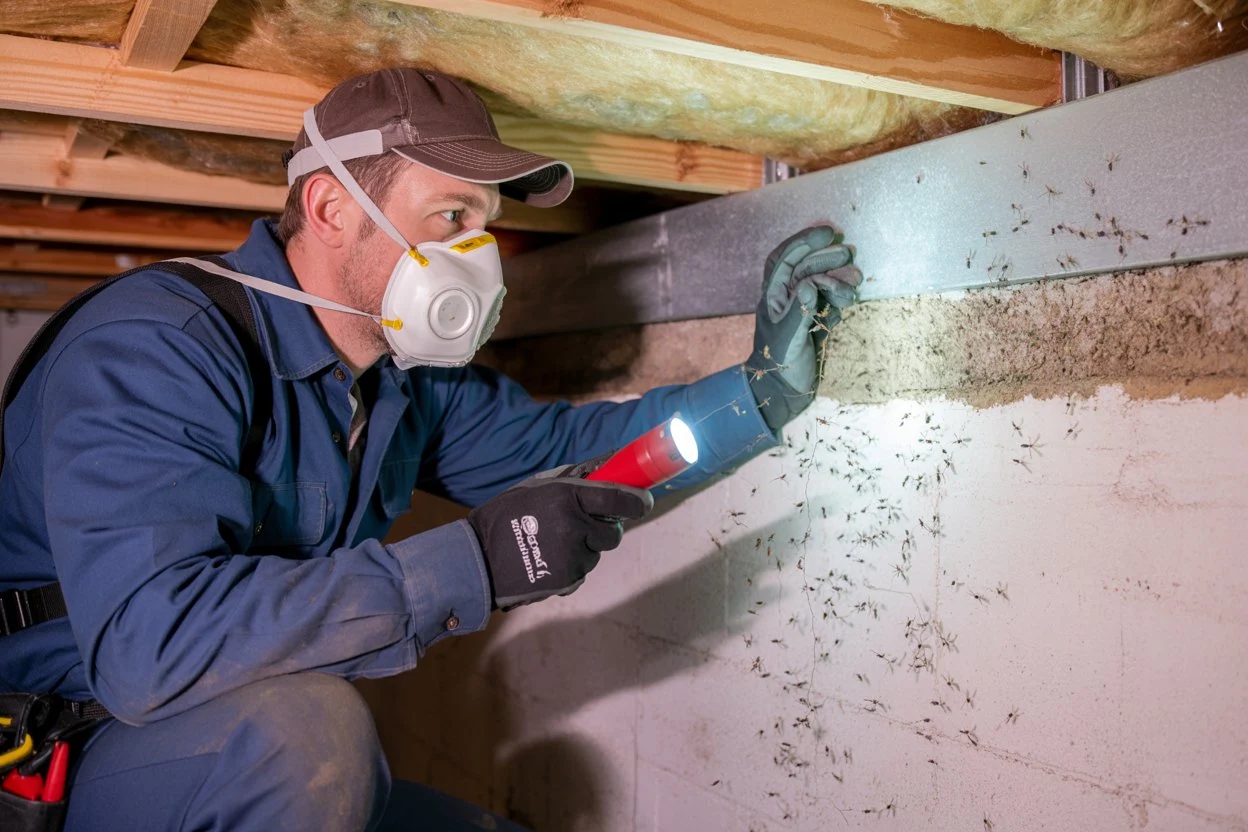
Mosquito breeding in small containers and drains. Note when standing water first appeared and whether it's connected to irrigation, a drain, or a container that's easy to overlook.
Mission Viejo service area
Homes around Lake Mission Viejo combine waterfront influence, irrigated landscaping, mature vegetation, outdoor living areas, and varied rooflines. Those features do not guarantee pests, but they create specific inspection priorities: water-holding containers, shaded plantings, eaves, garages, and routes between trees and roofs.
Pest activity
These reflect the lake-adjacent conditions common in the area, not assumptions about every home — the evidence at your specific property should guide the service requested.
Mosquito breeding in small containers and drains. Note when standing water first appeared and whether it's connected to irrigation, a drain, or a container that's easy to overlook.
Ant trails following irrigation and wall edges. Follow the trail to the specific door, garage gap, or roofline it reaches rather than treating the whole wall.
Roof rat routes through trees and fences. Photograph droppings, gnaw marks, or nesting material before cleanup so a technician can assess how recent the activity is.
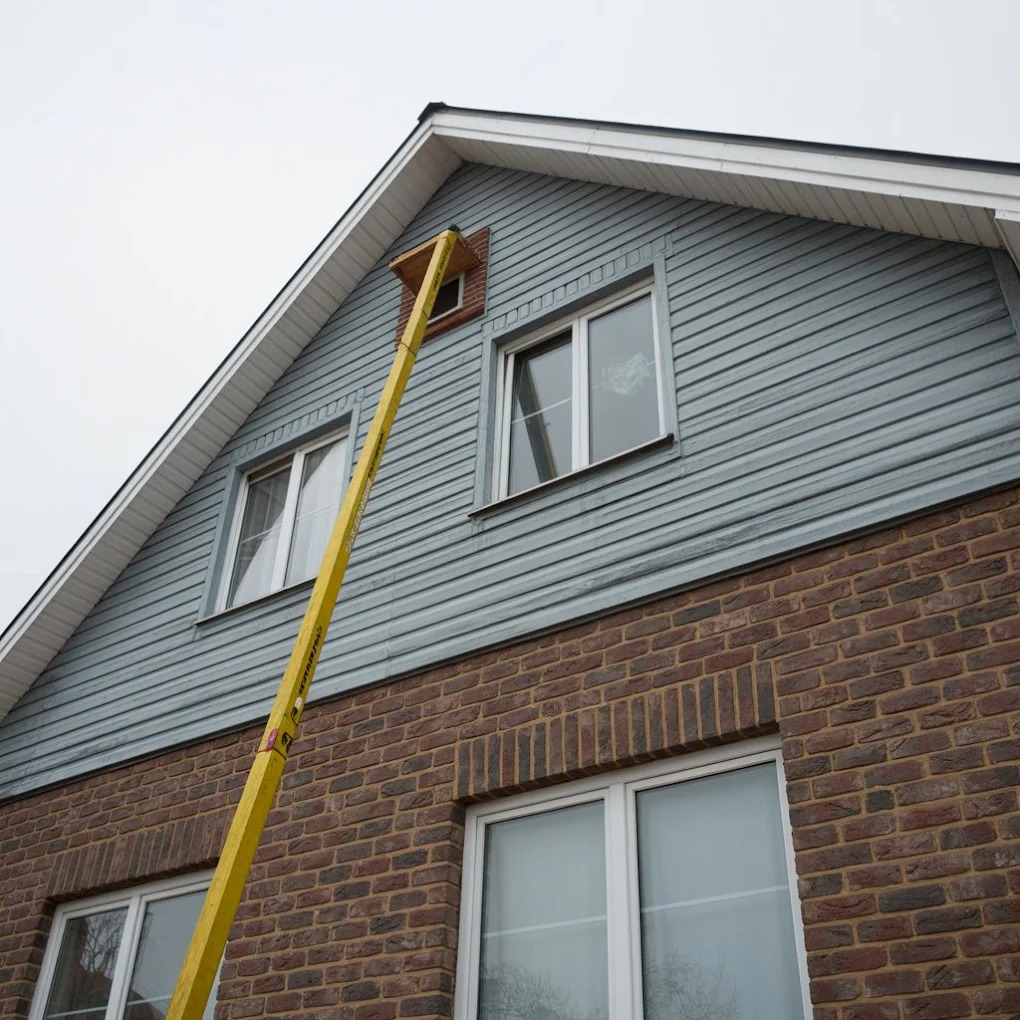
Termite evidence in eaves, trim, and other wood. Compare indoor sightings with the eaves, trim, and vegetation conditions immediately outside that same wall.
Property inspection
Because lake-adjacent landscaping tends to hold more moisture and mature vegetation than an inland lot, inspection priorities here lean toward water sources, shaded plantings, and the tree-to-roof routes that connect a yard to the structure.
Mosquito breeding in small containers and drains is worth tracing back to the exact room or exterior feature where activity was first noticed, along with how long ago the water source appeared.
Ant trails following irrigation lines and wall edges are worth comparing against nearby doors, garages, and roof transitions, since a trail reaching the structure usually points to one specific entry point.
Roof rat routes through trees and fences are best reviewed alongside irrigation and planting density, since overhanging branches near a roofline are one of the most common routes into an attic near the lake.
Relevant services
For Lake Mission Viejo properties, each service page explains pest-specific signs, inspection priorities, treatment considerations, prevention, and follow-up.
Understand ant trails, nesting conditions, treatment choices, and prevention for kitchens, patios, walls, and landscapes in Mission Viejo.
Explore ant controlFind the source of rat or mouse activity with rodent inspection, control, exclusion, and prevention guidance for Mission Viejo homes and businesses.
Explore rodent controlUnderstand termite warning signs, inspection steps, treatment considerations, and prevention for Mission Viejo properties. Request termite control service.
Explore termite controlReduce spider activity with inspection, web removal, prey management, exclusion, and practical prevention for Mission Viejo properties.
Explore spider controlReduce mosquito breeding and resting sites with property inspection, source reduction, and targeted control guidance in Mission Viejo.
Explore mosquito controlHomes and residential properties
Lake-adjacent homes and hillside streets may include decks, patios, retaining features, decorative water, and dense plantings. Inspecting transitions between landscape and structure is often more useful than treating an arbitrary property line.
Residential service here connects indoor evidence with the lake-adjacent landscaping and rooflines right outside, since access, preparation, and follow-up differ between a detached house, patio area, garage, or attic.
Read about residential pest control →Property maintenance
The checklist below focuses on the moisture and landscaping conditions most relevant to lake-adjacent homes, so it's worth revisiting after any inspection to see what's changed.
Local inspection context
Lake-adjacent surroundings, irrigated landscaping, mature vegetation, patios, drainage, and roof-to-tree routes. These are inspection starting points, not assumptions about every property. The pest, evidence, access, moisture, food sources, and entry routes found at the specific address should determine the response.
Before service, note the exact room or exterior feature where activity appears, the time of day it is most active, and any recent irrigation, trimming, remodeling, cleaning, or maintenance changes nearby.
Local pest control questions
No. Property-level water, shelter, food, and access conditions matter most, though the surrounding environment can influence seasonal activity.
Lake-adjacent landscaping shifts the priority list toward mosquito breeding in small containers and drains, ant trails following irrigation and wall edges, and roof rat routes through trees and fences onto the roofline.
Yes. Near the lake, irrigation lines, drainage routes, and overhanging trees are the most common paths outdoor activity uses to reach the inside of a home.
Note the exact location, timing, frequency, and any recent watering or weather changes, since moisture shifts often explain new activity near the lake.
Nearby service areas
Service request
When you call about a Lake Mission Viejo property, let us know whether the activity is indoors, outdoors, or both, which room or exterior feature is involved, and any recent irrigation or watering changes nearby.