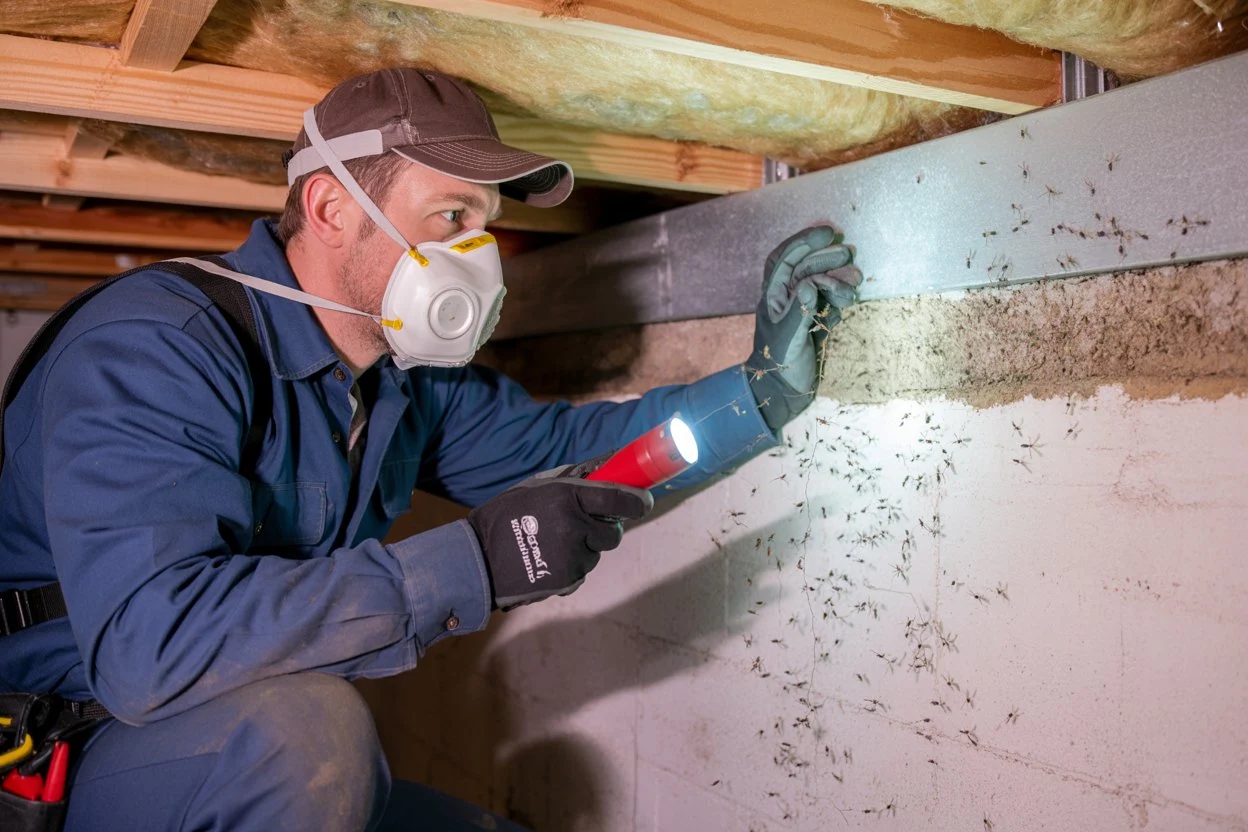
Repeated webbing along eaves, lights, or patio furniture
Record where this evidence appears and whether it is fresh or recurring. Its location can help focus the spider inspection.
Mission Viejo pest service
Spiders usually persist where shelter and insect prey are available. A useful plan identifies where webs return, reduces conducive conditions, and treats only where appropriate instead of relying on broad indoor spraying.
Pest evidence
For spider control, record the exact location, time, and frequency of fresh evidence before cleaning or applying a product. Several signs considered together are more useful than one clue alone.
Record where this evidence appears and whether it is fresh or recurring. Its location can help focus the spider inspection.
When checking for spiders, note the time and part of the building where this sign occurs. Repeated activity can help identify travel or nesting areas.
During a spider control assessment, photograph visible damage or physical evidence before repair when it is safe. New changes are more useful than old, undated signs.
Compare this possible sign of spiders with other evidence at the property and note any related moisture, food, shelter, or access conditions.
Property conditions
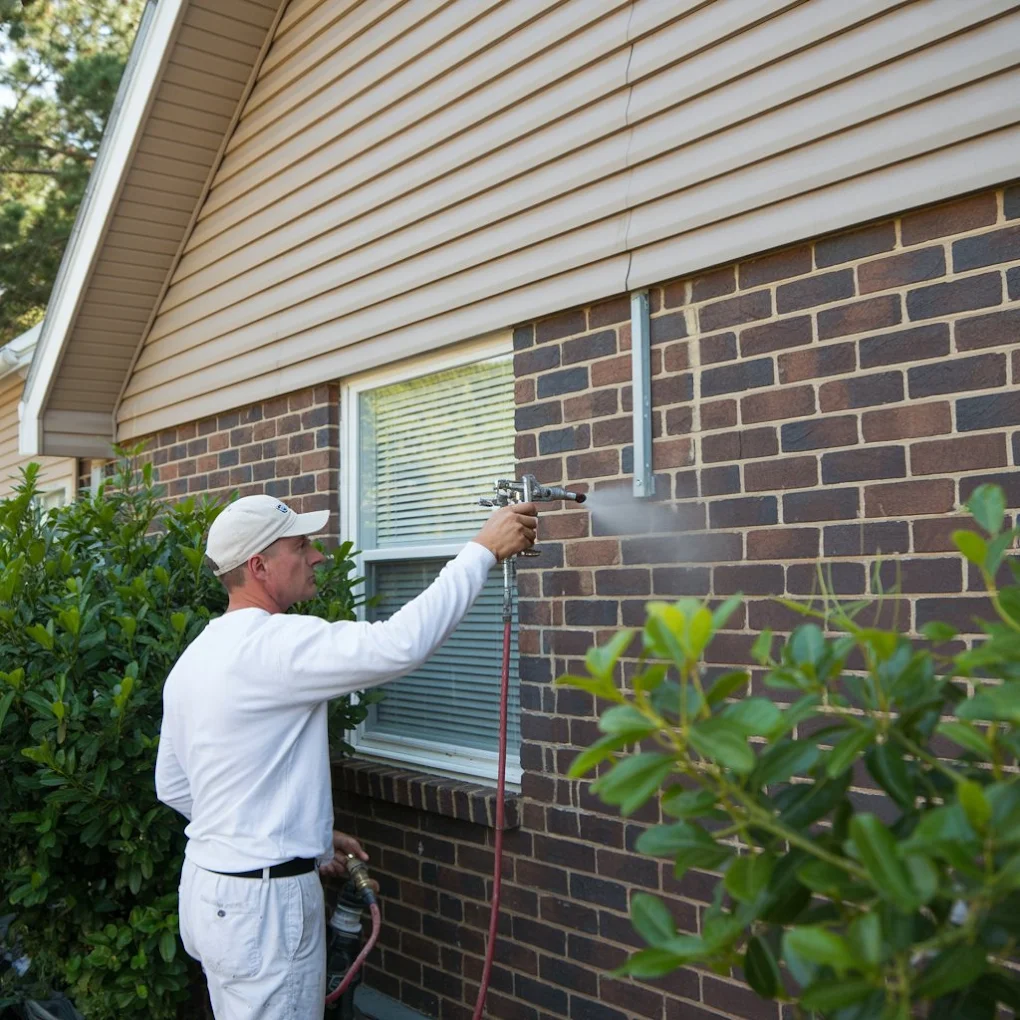
Covered patios, stucco texture, eaves, block walls, landscape lighting, irrigation, and dense plantings create protected web sites and attract insect prey.
Inspect this condition near the areas where spiders has been reported. It may connect exterior activity with an indoor route.
For spiders, check whether this resource is available consistently and whether activity increases when conditions change.
Protected spaces can allow spiders to remain close to the building. Look for fresh evidence before making repairs or removing materials.
Inspection and service
The spider control process should confirm the pest, connect activity with property conditions, explain the selected control steps, and provide a practical way to check results.
Inspect web locations, harborages, and prey activity
Remove accessible webs and egg sacs
Address entry gaps and lighting or landscape conditions
Use targeted exterior or crack-and-crevice treatment when appropriate
Inspection findings
Recurring webs usually point to a favorable web site and a steady supply of insect prey. Note the web shape, height, nearby lighting, vegetation, storage, and entry gaps. Those details help separate an occasional visitor from a pattern supported by the property.
Web removal, egg-sac removal, screen repair, storage changes, and lighting adjustments can remove the conditions that keep drawing spiders back. Targeted treatment may be useful in selected exterior or crack areas, but broad indoor applications rarely address the full reason for recurring activity.
After accessible webs are removed, record where they return and how quickly. Repeat activity in the same eave, doorway, or patio corner can reveal an overlooked gap, light source, or insect population that still needs attention.
Before service
Before spider control, include the exact place where activity first appeared, how often it returns, recent moisture or building changes, and any products, repairs, or cleanup already completed. Clear photos or a safely collected specimen may also help with identification.
Pest prevention
Prevention should address the food, water, shelter, or access that supports spiders. The useful steps are the ones connected to findings at the individual property.
Homes
Treatment should focus on recurring sites such as eaves, garages, patios, and storage rather than treating every harmless spider encountered outdoors.
Residential pest control information →Businesses
For businesses, visible webs near entrances, signage, loading areas, and customer spaces can be managed through scheduled removal and insect-prey reduction.
Commercial pest control information →Service areas
When assessing spiders, neighborhood features can influence pest pressure, but the inspection still needs to evaluate the building, landscaping, moisture, storage, and access at the individual property.
Service questions
A sheltered attachment point and steady insect prey make the site attractive. Removing webs without changing those conditions may provide only short relief.
No. Most spiders avoid people and help control insects. Species identification and the location of activity should guide concern.
Light attracts flying insects, and spiders often build near that food source. Shielding or relocating lights can help.
Keep people and pets away from the area and request identification and targeted service rather than handling it directly.
Related services
Understand ant trails, nesting conditions, treatment choices, and prevention for kitchens, patios, walls, and landscapes in Mission Viejo.
Explore ant controlReduce mosquito breeding and resting sites with property inspection, source reduction, and targeted control guidance in Mission Viejo.
Explore mosquito controlIdentification and control guidance for silverfish, moths, earwigs, crickets, flies, carpet beetles, centipedes, and millipedes.
Explore other pest controlService request
When calling about spider control, include the exact location, how long the activity has been present, and any steps already taken.