Rodent Droppings
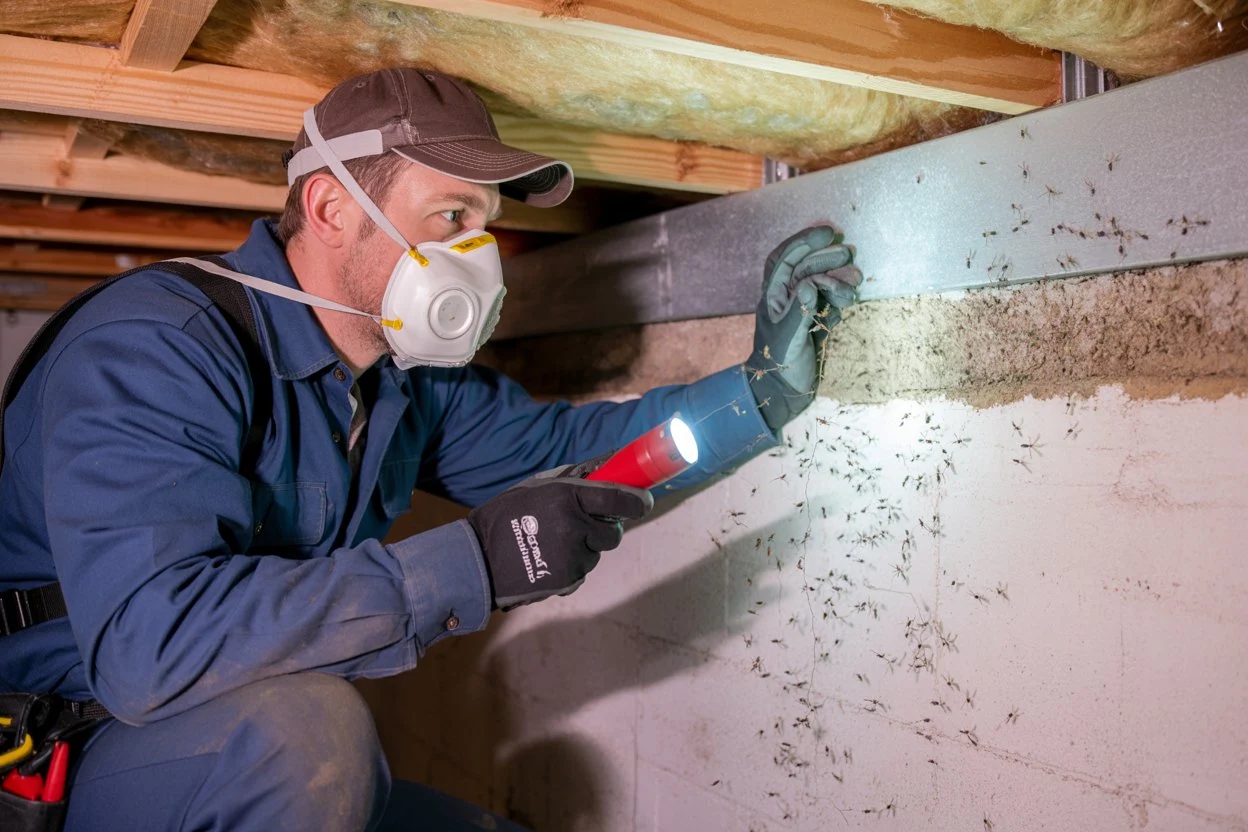
Record where this evidence appears and whether it is fresh or recurring. Its location can help focus the rodent inspection.
Mission Viejo pest service
Effective rodent control goes beyond removing the animal that is seen or heard. The lasting work is finding how rats or mice enter, what supports their activity, and which openings can be closed without trapping animals inside.
Pest evidence
For rodent control, record the exact location, time, and frequency of fresh evidence before cleaning or applying a product. Several signs considered together are more useful than one clue alone.
Record where this evidence appears and whether it is fresh or recurring. Its location can help focus the rodent inspection.
When checking for rats or mice, note the time and part of the building where this sign occurs. Repeated activity can help identify travel or nesting areas.
During a rodent control assessment, photograph visible damage or physical evidence before repair when it is safe. New changes are more useful than old, undated signs.
Compare this possible sign of rats or mice with other evidence at the property and note any related moisture, food, shelter, or access conditions.
Property conditions
Tile roofs, garage gaps, utility penetrations, mature landscaping, fruit trees, pet food, and nearby open space can create food or access opportunities. Roof rats often use elevated routes, while mice can enter through very small gaps near ground level.
Inspect this condition near the areas where rats or mice has been reported. It may connect exterior activity with an indoor route.
For rats or mice, check whether this resource is available consistently and whether activity increases when conditions change.
Protected spaces can allow rats or mice to remain close to the building. Look for fresh evidence before making repairs or removing materials.
Inspection and service
The rodent control process should confirm the pest, connect activity with property conditions, explain the selected control steps, and provide a practical way to check results.
Map droppings, noises, rub marks, and suspected travel routes
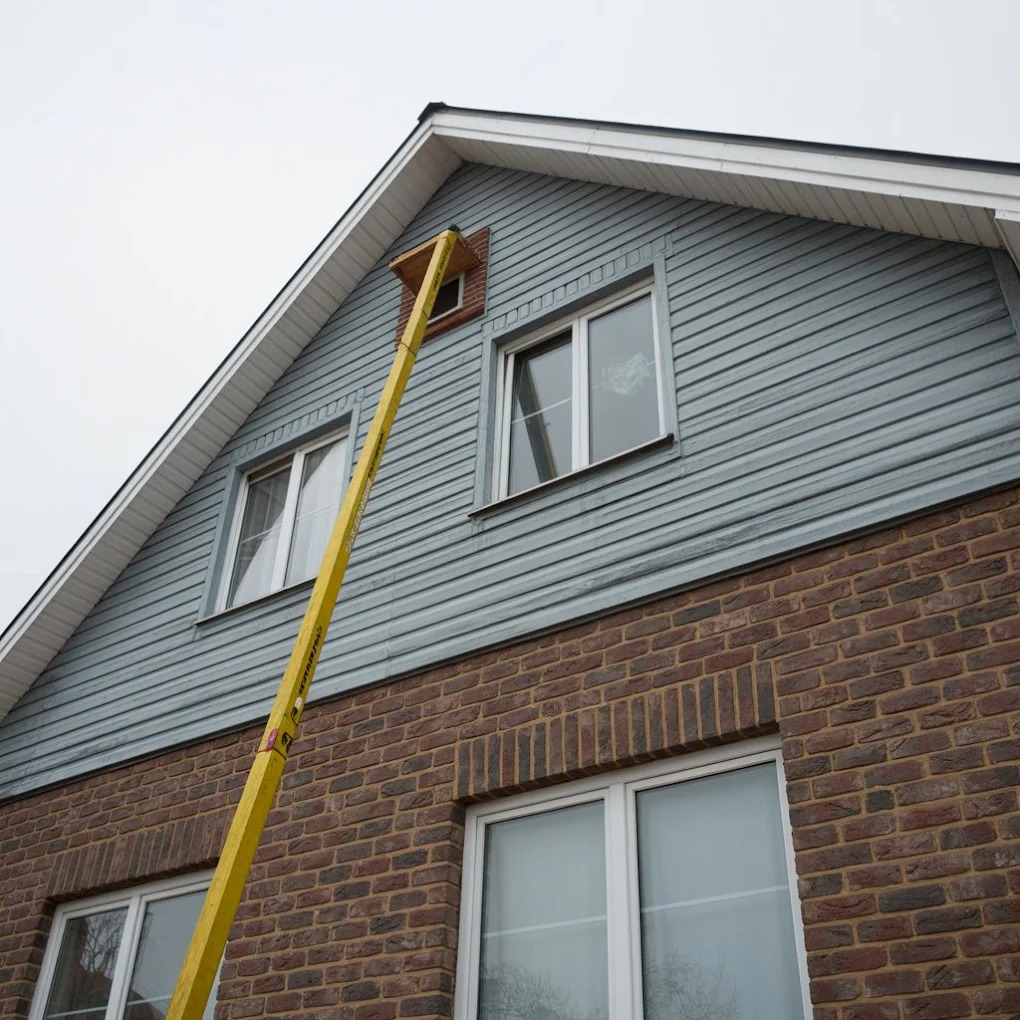
Inspect the roofline, garage, vents, utilities, and foundation
Choose control methods appropriate to the building and activity
Seal confirmed entry points and explain sanitation priorities
Recheck for fresh evidence before considering the issue resolved
Inspection findings
Droppings in a garage may be connected to a roof gap, utility line, side gate, or food source outside. A useful assessment follows the route from exterior access to indoor shelter and compares fresh evidence with older signs. It should also distinguish rat activity from mice and other animals.
Closing every visible opening at once can leave an animal trapped inside. Control, monitoring, sanitation, and repairs should be coordinated so confirmed routes are addressed without creating a new problem. Durable exclusion also needs to preserve drainage, ventilation, and normal building function.
Fresh droppings, new gnawing, sounds, disturbed monitoring devices, and food damage are more useful than a quiet night or two. Rechecks should cover the original activity zones and repaired entry points before the issue is considered resolved.
Before service
Before rodent control, include the exact place where activity first appeared, how often it returns, recent moisture or building changes, and any products, repairs, or cleanup already completed. Clear photos or a safely collected specimen may also help with identification.
Pest prevention
Prevention should address the food, water, shelter, or access that supports rats or mice. The useful steps are the ones connected to findings at the individual property.
Homes
In homes, attic and garage inspections often reveal nesting material, insulation disturbance, or entry near roof features. Family routines, pets, and access to food all shape a practical plan.
Residential pest control information →Businesses
Commercial control should pair monitoring with stock rotation, waste management, receiving-area checks, and written follow-up. Exclusion work must also account for doors, loading areas, shared walls, and service penetrations.
Commercial pest control information →Service areas
When assessing rats or mice, neighborhood features can influence pest pressure, but the inspection still needs to evaluate the building, landscaping, moisture, storage, and access at the individual property.
Service questions
Recurring activity usually means an entry point, food source, water source, or sheltered nesting area remains available.
Exclusion is the process of identifying and closing practical entry routes with materials suited to the opening and building surface.
No. Birds, settling materials, and other wildlife can produce similar sounds. Droppings, tracks, gnawing, and inspection findings help confirm the cause.
The sequence matters. Sealing before confirming where animals are active can trap them inside, so control and exclusion should be coordinated.
Avoid sweeping or vacuuming dry droppings. Keep people and pets away and use appropriate protective cleanup guidance or professional help.
Related services
Learn the signs of roof rat activity and request rat inspection, control, exclusion, and prevention help in Mission Viejo.
Explore rat controlIdentify mouse activity and request practical mouse control, monitoring, entry-point sealing, and prevention in Mission Viejo.
Explore mouse controlUnderstand flea life cycles, pet-area inspection, treatment preparation, and follow-up for Mission Viejo homes and yards.
Explore flea controlService request
When calling about rodent control, include the exact location, how long the activity has been present, and any steps already taken.