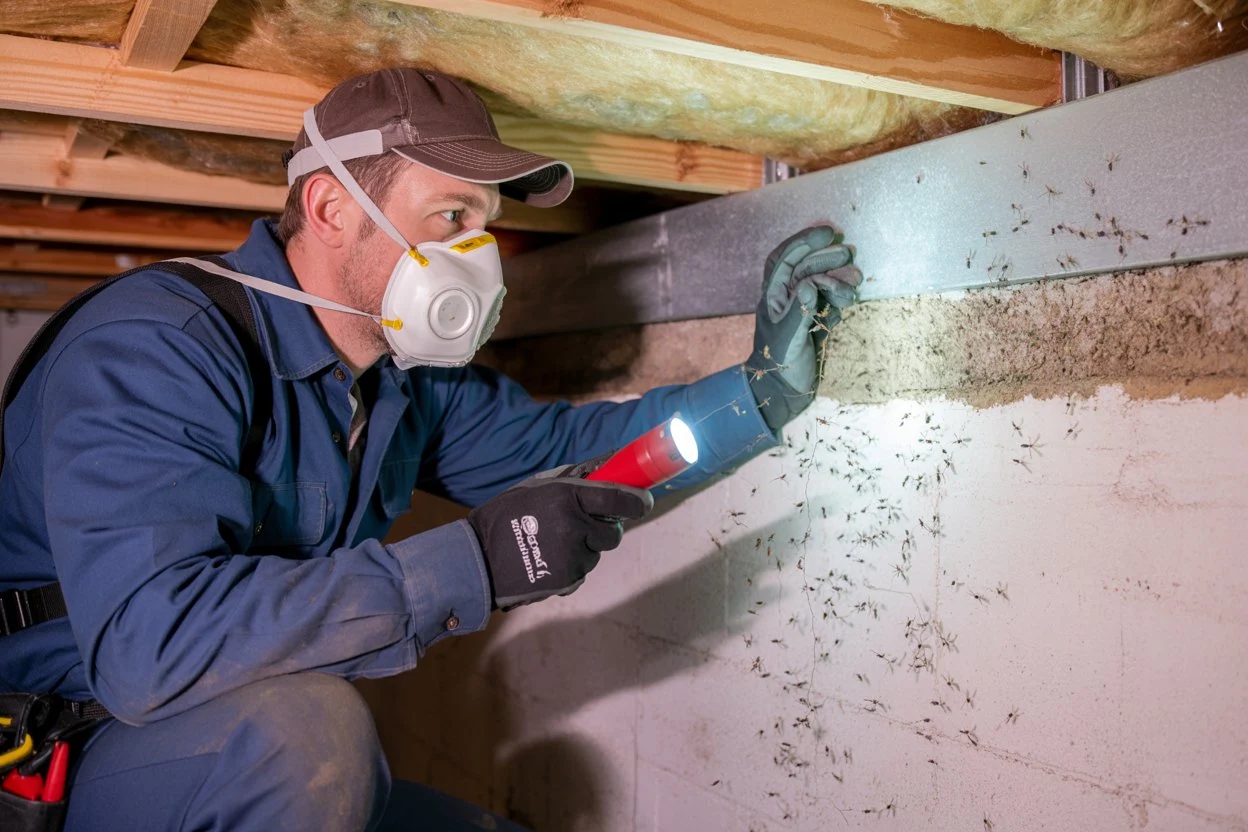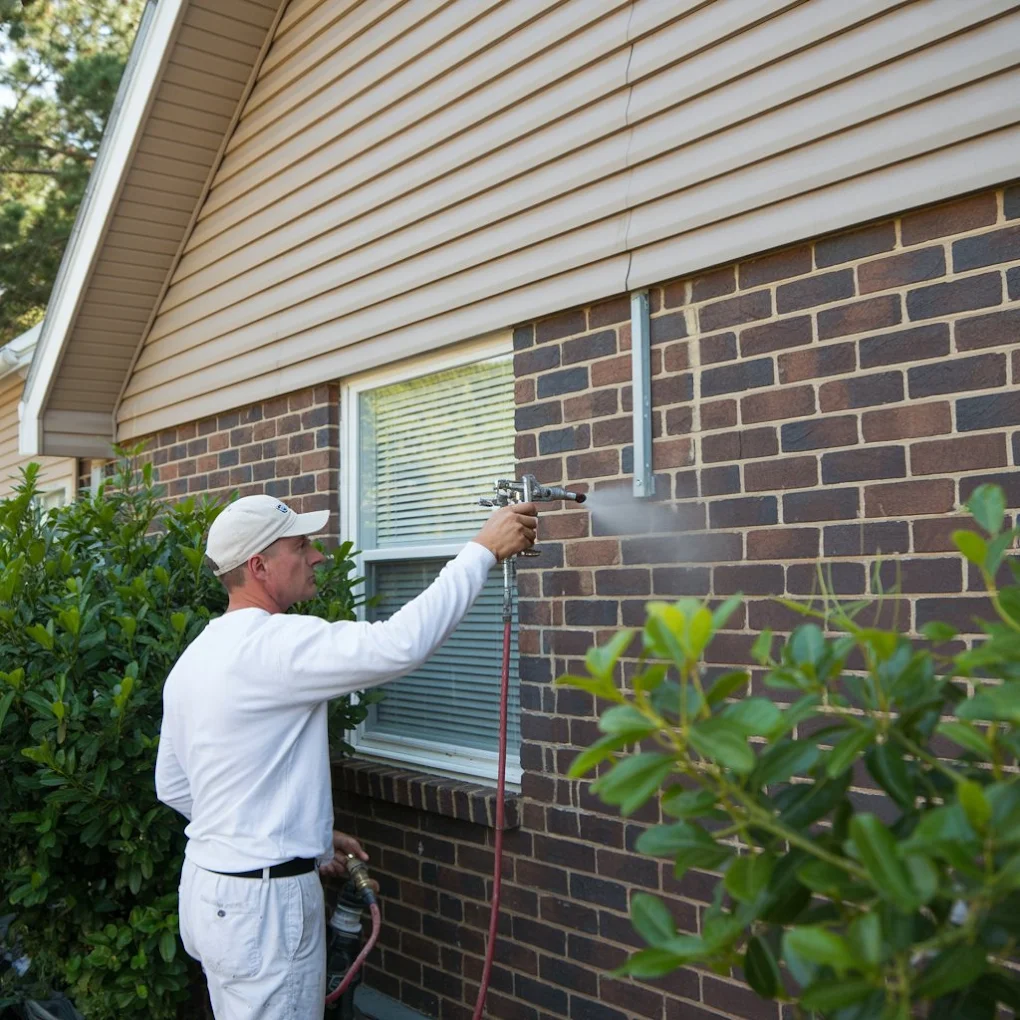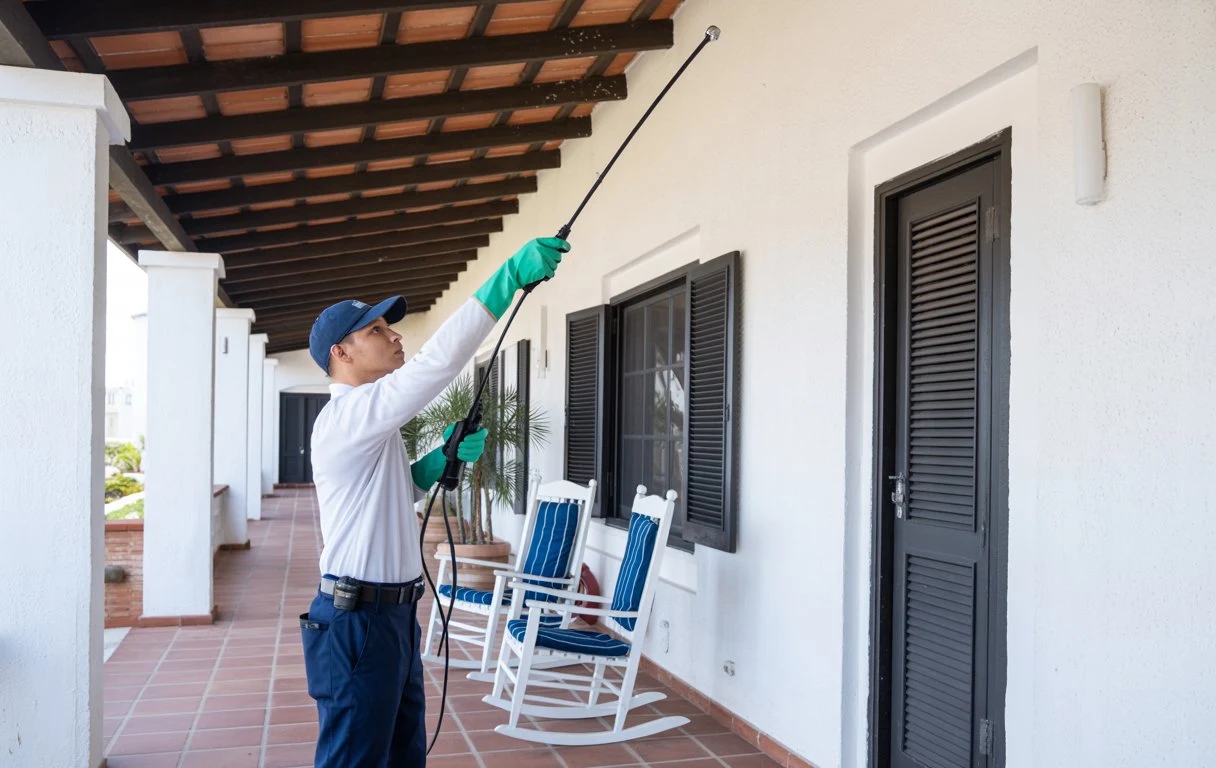
Live roaches active after dark
Record where this evidence appears and whether it is fresh or recurring. Its location can help focus the cockroach inspection.
Mission Viejo pest service
Cockroach control begins with species and source. Small indoor-breeding roaches call for a different plan than larger outdoor species entering through doors, drains, garages, or utility openings.
Pest evidence
For cockroach control, record the exact location, time, and frequency of fresh evidence before cleaning or applying a product. Several signs considered together are more useful than one clue alone.
Record where this evidence appears and whether it is fresh or recurring. Its location can help focus the cockroach inspection.
When checking for cockroaches, note the time and part of the building where this sign occurs. Repeated activity can help identify travel or nesting areas.
During a cockroach control assessment, photograph visible damage or physical evidence before repair when it is safe. New changes are more useful than old, undated signs.
Compare this possible sign of cockroaches with other evidence at the property and note any related moisture, food, shelter, or access conditions.
Property conditions
Warm equipment, plumbing moisture, cardboard, food residue, drains, shared walls, and exterior harborage can all support activity. Garages and utility areas often bridge outdoor and indoor conditions.
Inspect this condition near the areas where cockroaches has been reported. It may connect exterior activity with an indoor route.
For cockroaches, check whether this resource is available consistently and whether activity increases when conditions change.
Protected spaces can allow cockroaches to remain close to the building. Look for fresh evidence before making repairs or removing materials.
Inspection and service
The cockroach control process should confirm the pest, connect activity with property conditions, explain the selected control steps, and provide a practical way to check results.
Identify the species and activity zones
Inspect moisture, food, appliances, drains, and wall gaps
Use targeted baits, growth regulators, monitoring, or exclusion as appropriate
Schedule follow-up based on biology and activity level
Inspection findings
Small indoor-breeding cockroaches around kitchens need a different plan from larger species entering from drains, garages, or landscaping. A photo, specimen, exact location, and time of sighting help narrow the species and show whether the source is likely indoors or outside.
Useful placements focus on cracks, appliance areas, cabinet joints, plumbing routes, and monitored activity zones. Food, grease, water, and cardboard can compete with treatment or provide shelter. Broad surface spraying may miss those protected places and interfere with baits.
Egg cases and hidden young can keep activity going after adult sightings fall. Monitoring traps, sanitation checks, and follow-up timed to the species help show whether the population is actually declining and whether a neighboring or shared source remains.
Before service
Before cockroach control, include the exact place where activity first appeared, how often it returns, recent moisture or building changes, and any products, repairs, or cleanup already completed. Clear photos or a safely collected specimen may also help with identification.
Pest prevention
Prevention should address the food, water, shelter, or access that supports cockroaches. The useful steps are the ones connected to findings at the individual property.
Homes
Kitchens and bathrooms require precise placements and good sanitation access. Residents should understand which cleaning steps help and which products could disrupt the plan.
Residential pest control information →Businesses
Restaurants and other commercial properties benefit from written monitoring, staff sanitation routines, delivery checks, and attention to shared plumbing or wall voids.
Commercial pest control information →Service areas
When assessing cockroaches, neighborhood features can influence pest pressure, but the inspection still needs to evaluate the building, landscaping, moisture, storage, and access at the individual property.
Service questions
Not necessarily, especially with large outdoor species, but small indoor species or repeated sightings justify inspection and monitoring.
Motors and compressors offer warmth, nearby crumbs offer food, and condensation or plumbing can provide moisture.
Timing depends on species, population, access to food and water, neighboring sources, and whether follow-up is completed.
Cleaning removes food and improves treatment performance, but established hiding places and egg cases often require a targeted control plan.
Related services
Understand ant trails, nesting conditions, treatment choices, and prevention for kitchens, patios, walls, and landscapes in Mission Viejo.
Explore ant controlIdentification and control guidance for silverfish, moths, earwigs, crickets, flies, carpet beetles, centipedes, and millipedes.
Explore other pest controlInspection-led pest management for Mission Viejo offices, retail, restaurants, associations, and commercial properties.
Explore commercial pest controlService request
When calling about cockroach control, include the exact location, how long the activity has been present, and any steps already taken.